

747 字
4 分钟
手写call,apply,bind方法
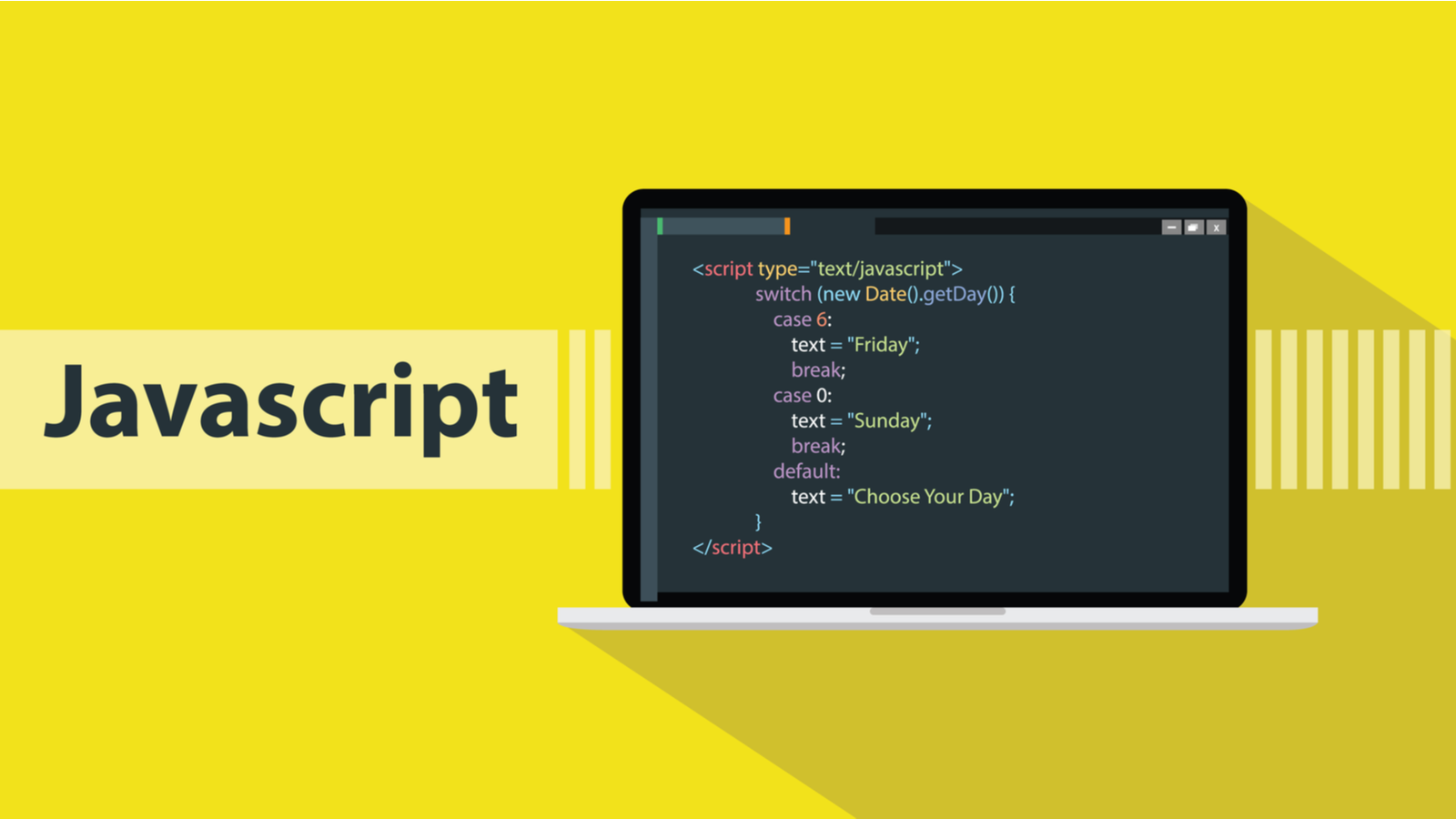
TIP简单总结一下,手动实现JavaScript原生call,apply,bind方法
一、如何改变js中this指向问题?
1. 通过ES6的箭头函数(指向函数定义时的this)
2. 通过call,bind,apply改变this指向
二、call,bind,apply三者的主要区别
- call,bind,apply这三个方法的第一个参数都是 this的指向对象
- 第二个参数: call和bind都是接收参数列表,apply接收的是一个包含多个参数的数组(也可以是类数组)
- bind方法不会立即执行,而是返回一个新的函数,调用新函数的时候才会执行目标函数
三、手动实现call,bind,apply方法
1.手动实现apply方法
// 注意,并未进行错误判断Function.prototype.myApply = function (context,args) { // 这里默认不传就指向window,也可以用es6语法给参数设置默认参数 context = context || window args = args ? args : [] // 给context新增一个独一无二的属性一面覆盖原有属性 const key = Symbol() context[key] = this // 通过隐式绑定的方式调用函数 const result = context[key](...args) // 删除添加的属性 delete context[key] // 返回函数调用的返回值 return result}2. 手动实现call方法
// 与apply类似,只不过传递参数从一个数组编程逐个传参了,不用...扩展运算符的话也可以用arguments对象代替Function.prototype.myCall = function (context,...args) { // 这里默认不传就是给window context = context || window const key = Symbol() context[key] = this // 通过隐式绑定的方式调用函数 const result = context[key](...args) // 删除添加的属性 delete context[key]
return result}3. 初步实现bind方法
bind()方法创建一个新的函数,在bind()被调用时,这个新函数的this被bind的第一个参数指定,其余的参数将作为新函数的参数供调用时使用。
//要注意的是,bind方法不会立即执行,而是返回一个新函数Function.prototype.myBind = function (context,...args) { //目标函数 const fn = this
return function newFn(...newFnArgs) { return fn.apply(context,[...args,...newFnArgs]) }}CAUTION但是,请注意,如果直接这样写,当你使用构造函数new的时候,会有一些问题(导致new出来的实例与原型链断开)请看下面的例子
Function.prototype.myBind = function (context,...args) { const fn = this return function newFn(...newFnArgs) { return fn.apply(context,[...args,...newFnArgs]) }}function func(...arg) { console.log(this) console.log(arg)}
//在fnc的原型上定义一个方法func.prototype.test = function() { console.log(this)}
//下面我们使用构造函数测试一下
let newFunc1 = func.bind({a:1},1,2,3,4) // 原生的bindlet newFunc2 = func.myBind({a:1},1,2,3,4) // 我们的bindlet f1 = new newFunc1(5,6,7,8)let f2 = new newFunc2(5,6,7,8)console.log('-----原生bind-----')console.log(f1.test) // 正确的test方法console.log('-----myBind-----')console.log(f2.test) // undefined4. 最终实现bind方法
接下来我们来解决使用构造函数时的bug
Function.prototype.myBind = function (context,...args) { const fn = this return function newFn(...newFnArgs) { if(this instanceof newFn) { // 在此加一个判断,如果这个被返回的函数作了构造函数的话,把args也作为参数传进去 return new fn(...args,...newFnArgs) } return fn.apply(context,[...args,...newFnArgs]) }} 手写call,apply,bind方法
https://blog.oceanh.top/posts/frontend/手写callapplybind方法/